
Our founding installer is now open in Salisbury, SA  ·  More studios on the way

Home / Window Tint

Automotive window film

Less heat. Less glare. More privacy.

Carbon ceramic and nano ceramic window film, fitted by Polyshield installers. Choose a shade that suits your car and the rules where you live.

2 ceramic films
Carbon and nano
5% to 70%
Six shades
Lifetime
Nano ceramic warranty
Installer-fitted
Satisfaction guaranteed
What it does

Built for Australian sun.

Cooler cabin

Ceramic film stops a share of the sun’s heat before it reaches you, so the car cools down faster and the air-con works less.

UV protection

Blocks ultraviolet light through the side and rear glass, protecting skin on long drives and the cabin from fading.

Less glare

Takes the harsh edge off low sun and bright reflections, so your eyes work less on long highway runs.

Privacy and security

Darker rear shades keep passengers, tools and shopping out of view from outside.

Interior stays newer

Less sun on the dash, seats and trim means less fading and cracking over the years.

No signal problems

Both films are metal-free, so phone, GPS, radio and keyless entry work as they did before.

Choose your shade

See the shade. Know what's legal.

Pick a film, a shade and your state. You’ll see how dark it looks and where it can go on your car.

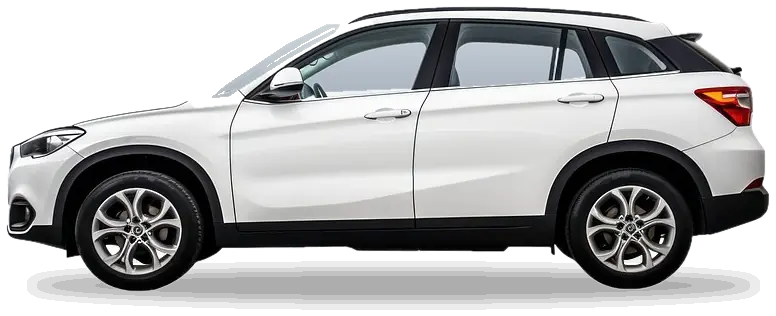
SUV side profile with tinted side windows

Illustration. Real shades vary with your glass.

Film
Shade (VLT)
Your state or territory

Data sheet figuresWhat these mean
VLT—
UVR—
TSER—
IRR (940 nm)—
IRR (1400 nm)—
SIRR—
Request a quote for this shade

Tint limits apply to the glass and film together, and factory glass already blocks some light. Rules can change and some vehicles have different limits, so check your state's official page.

Two films

Carbon ceramic or nano ceramic?

Both are metal-free, hold their colour and come in all six shades. The difference is how much heat they stop at the same darkness.

Carbon ceramic
10year warranty
Nano ceramic
Lifetimewarranty

Film specifications

Figures from the supplier data sheet, measured on the film. What VLT, UVR, TSER, IRR and SIRR mean →

Carbon Ceramic window film. Figures from the supplier data sheet, measured on the film.
ShadeVLTUVRTSERIRR (940 nm)IRR (1400 nm)SIRR
70%
50%
35%
20%
15%
5%
How it's fitted

Installed by professionals. Backed by Polyshield.

01

Book and choose

Request a quote from a studio near you and settle the film and shade for each window.

02

Prep and fit

The glass is deep-cleaned, and the film is shaped to each window and fitted on the inside of the glass.

03

Warranty lodged

Your installer lodges your Polyshield warranty, and your warranty number is emailed to you.

04

Cure

Keep the windows up for 3–5 days. Small water bubbles are normal and dry out over 2–4 weeks.

Warranty

Covered for years. Nano ceramic for life.

Carbon Ceramic Window Tint10 years
Nano Ceramic Window TintLifetime

Register your installation to activate cover, and check it any time by number plate. Full terms are on the Warranty page.

Looking after new tint
  1. Keep the windows up and don’t roll them down for 3–5 days. Small water bubbles or haze are normal and dry out over 2–4 weeks.
  2. Clean the inside of the glass with an ammonia-free cleaner and a soft microfibre towel.
  3. No blades, scourers or abrasive pads on the film side.
  4. Watch seatbelt buckles and cargo against the rear glass.
Questions

Window tint, answered.

Each answer links to a full guide in Learn.

Visible Light Transmission is the share of visible light that passes through the window. A 70% film lets most light through. A 5% film lets very little through. The lower the number, the darker the tint. Tint laws are written in VLT, measured on the glass and film together.

Read the full guide

Ultraviolet Rejection is the share of the sun’s UV light the film blocks. UV is what burns skin and fades dashboards and seats. UV blocking doesn’t depend on how dark the film is: a light film can block as much UV as a dark one.

Read the full guide

Total Solar Energy Rejected is the share of all the sun’s energy (UV, visible light and infrared) that the film stops from coming into the car. It’s the best single number for comparing how much cooler a film keeps the cabin.

Read the full guide

Infrared Rejection is how much infrared light, the part of sunlight you feel as heat, the film blocks. The number in brackets is the wavelength it was measured at: 940 nm is near infrared, 1400 nm is further into the infrared. Each is a single-point reading, so it usually looks higher than TSER. Use it to compare films, and TSER to judge overall heat.

Read the full guide

SIRR is infrared rejection measured across a band of the infrared spectrum rather than at one wavelength, as stated on the film’s data sheet. Because it covers a range, it gives a fuller picture of infrared heat blocking than a single IRR reading.

Read the full guide

In every state and territory, the front side windows must let through at least 35% of light. Windows behind the driver must let through at least 20% (15% in the Northern Territory). The windscreen can only have a band across the top. The limits apply to the glass and film together, and factory glass already blocks some light, so ask your installer which shade passes on your car.

Read the full guide

Light and medium shades make little difference at night. Very dark shades on the rear glass make reversing harder in poorly lit places, so many drivers keep the darkest shades for the rear passenger windows only.

Read the full guide

Purple, bubbling tint is usually cheap dyed film breaking down. Carbon and nano ceramic films hold their colour. Small water bubbles in the first 2–4 weeks are moisture drying out as the film cures.

Read the full guide

Yes. Your installer removes the old film and adhesive before fitting new tint. Mention it when you request a quote, as it adds time to the job.

Tinting a vehicle

Find the installer who'll get it right.

Search the Polyshield network and request a quote for carbon or nano ceramic tint.

Running a tint shop

Fit Polyshield tint under a brand that backs you.

Trade pricing, training and a network built around genuine standards.